
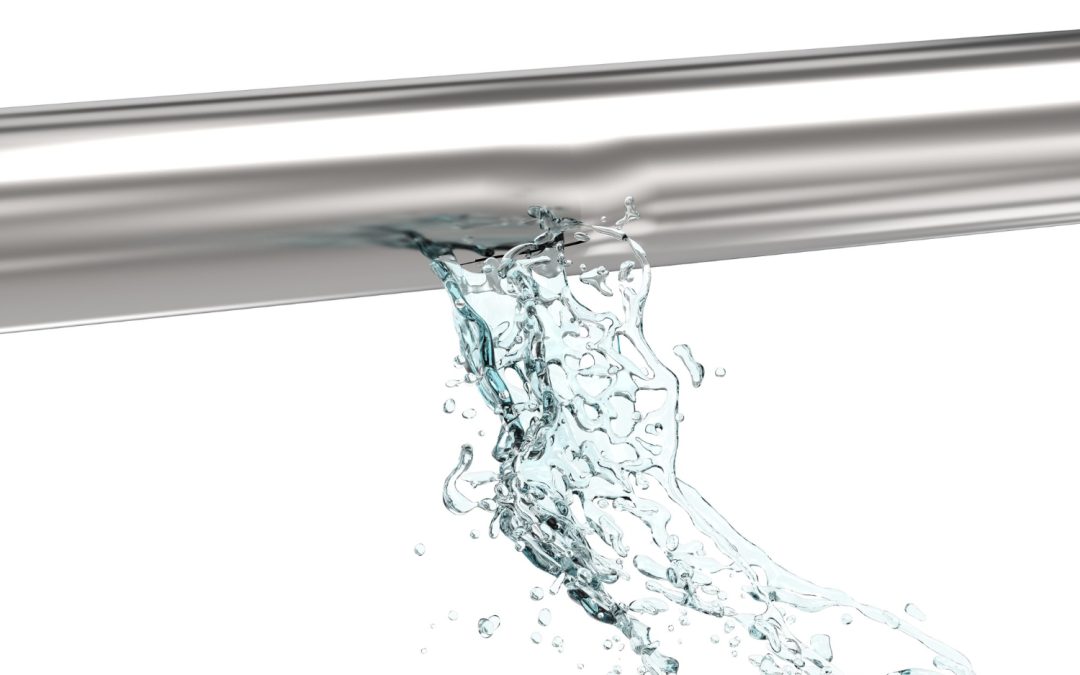
Winter can be tough on your home’s plumbing. When temperatures drop, the risk of pipes freezing and bursting increases. A burst pipe can cause a huge mess and plenty of stress, but knowing what to do next can make a big difference. Reacting quickly and correctly helps prevent water damage and other issues that can be expensive to fix.
If you ever face this problem, quick thinking is key. Turn off the water supply right away to stop more water from gushing out. This first step is crucial in protecting your home from further damage. After that, it’s time to tackle the mess and start repairs.
In this article, we’ll explore the steps you need to take when your pipes burst in winter. You’ll learn how to handle the immediate situation, clean up effectively, and plan for repairs. By understanding these steps, you’re better prepared to deal with such emergencies and keep your home safe from further harm this winter.
Immediate Steps to Take When a Pipe Bursts
When a pipe bursts in your home, taking immediate action is crucial to minimize damage. The first thing you should do is turn off the main water supply. This will stop more water from pouring out and causing further flooding. Locate the valve and turn it off right away. This simple step can save you from a bigger disaster.
Next, quickly move any valuable items out of the area to keep them safe from water damage. This includes electronics, furniture, and anything that can get ruined when wet. Place these items in a dry location where they won’t be affected by the water.
Now, drain the remaining water from the pipes. Turn on all the cold water faucets to let the water out. Starting from the lowest point in the house, open hoses outside, sink faucets, and flush toilets. By doing this, you reduce the pressure in the pipes and help prevent more areas from bursting.
If you know exactly where the leak is, you can patch it temporarily with pipe repair tape or a rubber patch to help control the water flow. While this won’t fix the problem permanently, it can help you gain control until professional help arrives.
Minimizing Water Damage and Cleaning Up
After addressing the immediate burst, you need to start cleaning up to prevent water damage. Begin by using towels, mops, or a wet/dry vacuum to remove standing water. This helps to prevent the build-up of moisture that can lead to mold growth. Work efficiently, as the longer water sits, the more damage it can cause to floors, walls, and personal items.
Make sure to ventilate the affected area to dry things out. Open windows and doors to increase airflow, or set up fans and dehumidifiers around the spill. These tools help to speed up drying, reducing the chances of mold and structural damage. Pay special attention to carpets and upholstery, as these materials absorb water quickly.
Next, sanitize the area to prevent bacteria and mildew from developing. Use cleaning solutions or a mixture of water and vinegar to wipe down surfaces that have been in contact with contaminated water. Be thorough in this step to ensure your home remains clean and safe.
Finally, document the damage by taking photos and notes. This documentation will be useful when filing an insurance claim. Record all affected areas, as well as any items that need repair or replacement. It’s important to be as detailed as possible to ensure a smooth claims process. Once you’ve completed these steps, you can focus on assessing the damage and planning repairs.
Assessing the Damage and Planning Repairs
Once you’ve managed the initial chaos, it’s important to assess the damage thoroughly. Start by inspecting the burst pipe and surrounding areas for visible cracks or leaks. Check other pipes as well, as cold temperatures can weaken more than one area at a time.
Next, take a close look at your home’s structure, especially the walls, floors, and ceilings in the affected spaces. Look for signs of water stains, warping, or dampness which might not be obvious at first. It’s important to identify all areas that need attention to prevent future structural problems.
Document any damage you find in detail. Make notes and take clear photos of everything affected by the burst pipe, as these will help when communicating with insurance providers or repair professionals. Being thorough now can save lots of time later.
Plan out repairs by deciding whether you can handle the fixes yourself or need professional help. You’ll likely need a plumber for the pipe itself, but depending on the damage’s extent, you may also need drywall experts, flooring repair services, or mold remediation specialists. Getting quotes from several professionals ensures you find the best service and price for your needs.
Preventing Future Pipe Bursts in Winter
Preventing pipes from bursting in the future is all about preparation and maintenance. Start by insulating pipes in areas prone to freezing, such as basements, attics, and garages. You can use foam padding or electrical heating tape to keep pipes warm.
Ensure your home stays warm during cold spells by maintaining a consistent indoor temperature. Avoid letting the space drop below 55 degrees Fahrenheit, especially when you’re not home. Open cabinet doors to allow warm air to circulate around kitchen and bathroom pipes.
Regularly check for leaks, and don’t ignore them if you find any. Small issues can worsen with freezing temperatures, so fixing them promptly prevents larger problems. Consider installing a smart home system that monitors water usage and alerts you to unexpected flow changes, which could signal a leak.
Finally, disconnect any garden hoses and shut off water to exterior faucets during the winter. This simple step prevents outdoor water sources from freezing and affecting your indoor pipes. Winterizing your home effectively helps avoid pipe bursts, saving you stress and repair costs.
Conclusion
Understanding what to do when a pipe bursts in winter is essential for protecting your home. By taking immediate action and following up with thorough damage assessment and effective repairs, you minimize the disruptions and costs associated with such an event. Preparing for the future by insulating pipes and maintaining a warm environment helps prevent similar issues down the line. Keeping these strategies in mind ensures your home is well-protected during the cold months.
When winter’s chill threatens your home’s plumbing, turn to Remodel Professionals of Idaho for expert assistance. Whether you’re dealing with existing damage or need preventive solutions, our skilled team is ready to help keep your property safe and sound all winter long. As your partner remodeling contractor in Idaho Falls, we make the process of remodeling easy and hassle-free. Contact us today to learn more about our comprehensive services and how we can support your needs during the toughest season of the year.