Water damage can be a devastating and disruptive event for homeowners in Idaho Falls and Bonneville County. The process of cleaning up, restoring your property, and navigating insurance claims can feel overwhelming and confusing. To help you better understand and manage these challenging situations, we have compiled a list of frequently asked questions and expert answers, addressing various aspects of water damage, from immediate cleanup and professional restoration services to understanding insurance coverage.
Armed with this knowledge, you can make well-informed decisions to protect your property and minimize the impact of water damage on your home and belongings. Read on to get answers to your most pressing water damage questions, and discover how Remodel Professionals of Idaho can assist you with home remodeling services, including bathroom and kitchen rebuilds, commercial construction, and more.
1. What are the Common Causes of Water Damage in Homes?
Water damage can occur due to various causes, such as:
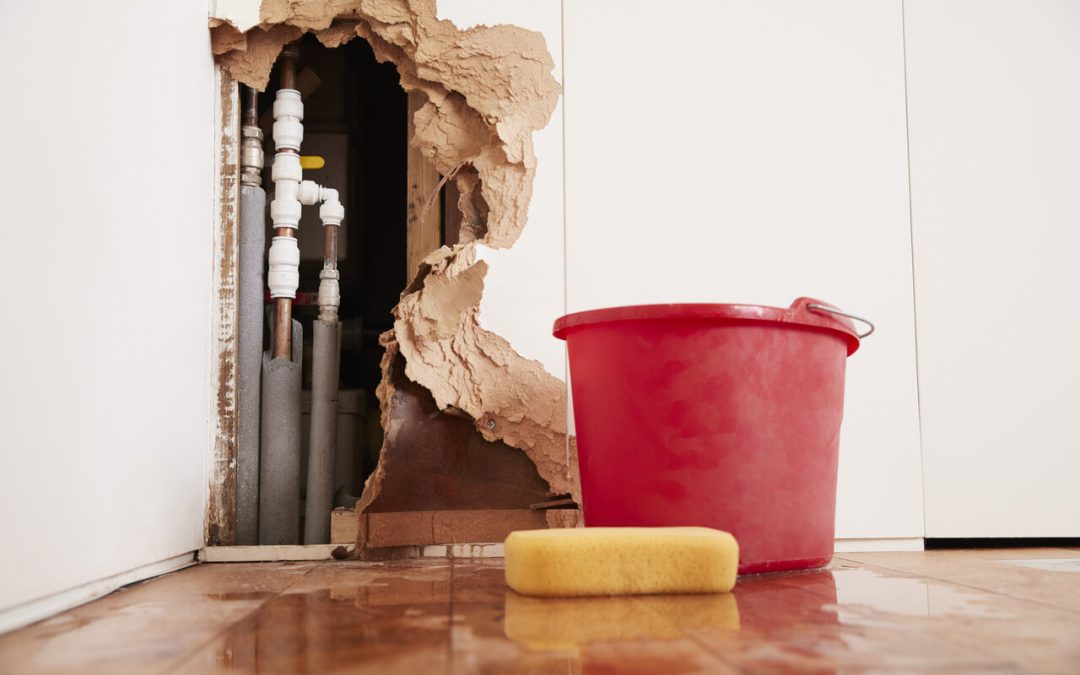
– Leaking or burst pipes: Frozen pipes can cause cracks or complete breaks, leading to water leaks and potential flooding in your home.
– Appliance malfunctions: Washing machines, dishwashers, and water heaters are susceptible to leaks, overflows, or ruptures causing water damage.
– Heavy rainfall or natural disasters: Torrential rain, hurricanes, or flash floods can lead to basement flooding and significant water intrusion.
– Sewage backups or overflow: Blocked sewer pipes can cause sewage to back up into your home, leading to contaminated water damage.
– Roof leaks: Damaged or deteriorating roofing materials can allow water to enter your home, causing damage to ceilings, walls, and insulation.
2. What Should I Do Immediately After Discovering Water Damage?
Upon discovering water damage in your home, take the following steps to minimize further damage and protect yourself and your family:
– Shut off the main water supply: If the damage is caused by a burst pipe or appliance malfunction, quickly turn off the main water valve to prevent further flooding.
– Turn off electricity: If the water has reached electrical outlets or devices, shut off the power at your breaker panel to minimize the risk of electrocution.
– Protect personal belongings: Remove valuable items, electronics, and furnishings from the affected area to prevent additional damage.
– Document the damage: Take photos or videos of the affected area as evidence for your insurance claim.
– Contact your insurance company: Inform them about the damage and ask about your coverage and the claims process.
– Seek professional help: Reach out to water damage restoration professionals to assess the damage and begin the cleanup process.
3. How are Water Damage and Mold Growth Related?
Water damage creates the perfect environment for mold growth, especially if it is not properly addressed within 24-48 hours. Mold thrives in damp, humid conditions and can spread rapidly, posing potential health hazards for individuals with respiratory issues, allergies, or compromised immune systems.
To prevent mold growth after water damage, it is vital to:
– Eliminate excess water: Remove standing water and use dehumidifiers, fans, and open windows to hasten the drying process.
– Discard contaminated materials: Porous materials like drywall, insulation, and carpeting can retain moisture and harbor mold growth. Dispose of these materials if they are significantly damaged or contaminated.
– Apply a mold inhibitor: Use a commercial mold control solution on surfaces to prevent mold growth during the restoration process.
– Seek professional mold remediation: If you suspect mold growth, consult with a mold remediation expert to assess the situation and develop a plan for mold removal and cleanup.
4. What Does Water Damage Restoration Involve?
Water damage restoration involves a series of steps to thoroughly clean, dry, and restore your property after water damage. These steps include:
– Inspection: A professional water damage restoration technician will assess the extent of the damage, identify the water source, and categorize the water as clean, grey, or black water, depending on contamination levels.
– Water extraction: Standing water is removed using pumps or vacuums to minimize damage and expedite the drying process.
– Drying and dehumidification: Industrial-grade air movers, dehumidifiers, and other specialized equipment are utilized to dry affected materials, reduce humidity, and prevent mold growth.
– Cleaning and sanitization: Affected areas are thoroughly cleaned and sanitized, including the application of antimicrobial treatments to eliminate harmful bacteria, mold, and other contaminants.
– Reconstruction and restoration: Damaged building materials are repaired or replaced, ensuring your home is returned to its pre-damage condition.
5. How Does Homeowner’s Insurance Cover Water Damage?
Coverage for water damage varies depending on your insurance policy, the cause of the damage, and the maintenance history of your home. In general, homeowner’s insurance covers sudden and accidental water events, like burst pipes, appliance malfunctions, or severe storms. However, it typically does not cover gradual water damage, such as long-term leaks or seepage due to poor maintenance.
Flood damage caused by natural disasters like hurricanes or rising bodies of water is also excluded from standard homeowner’s insurance. To protect against these scenarios, consider purchasing separate flood insurance through the National Flood Insurance Program (NFIP) or a private insurer.
To determine your policy’s specific coverage, review your insurance documents and consult with your insurance agent.
Safeguard Your Property and Peace of Mind
Understanding the ins and outs of water damage, from initial cleanup to insurance claims, enables you to make smart decisions and minimize the impact on your Idaho Falls or Bonneville County property. By staying informed and proactive, you can protect your investment and ensure your home’s safety and structural integrity.
For professional assistance in addressing water damage or for a range of home remodeling services, trust Remodel Professionals of Idaho. Specializing in commercial remodeling, tenant improvements, bathroom and kitchen rebuilds, and more, we offer the expertise and resources necessary to restore your property to its pre-damage condition, efficiently and effectively. Contact Remodel Professionals of Idaho today, and let our team of experienced professionals safeguard your property and provide valuable guidance throughout the water damage recovery process.