
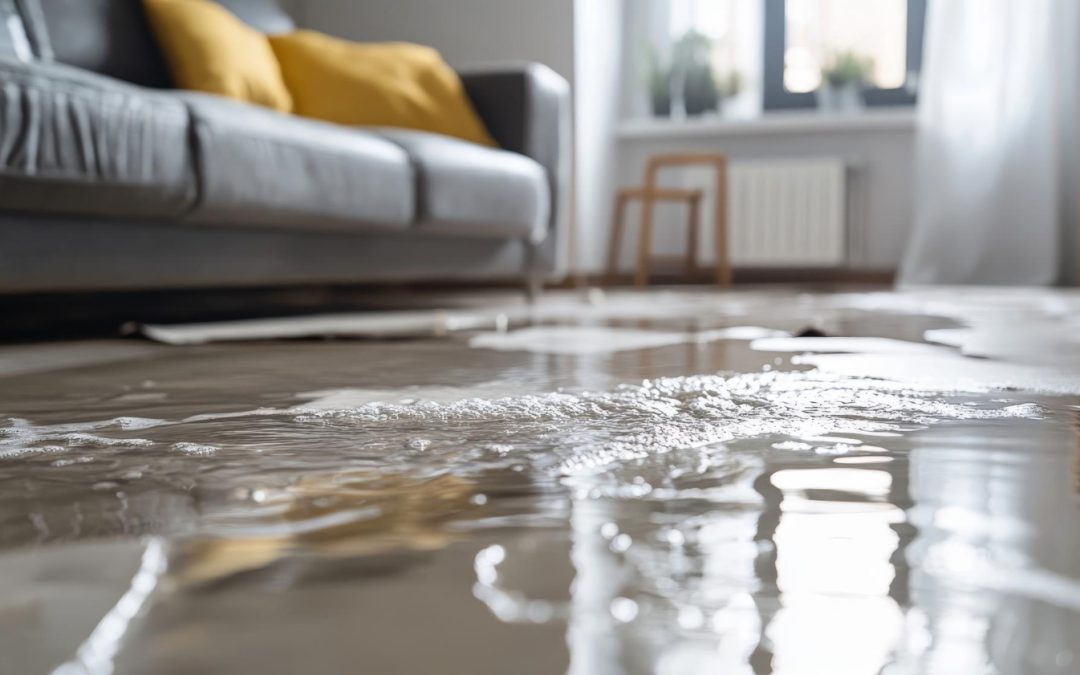
Winter in Idaho Falls brings cold weather challenges that can include the risk of flooding. Melting snow and freezing temperatures contribute to conditions that might threaten the safety and comfort of your home. Without proper precautions, flooding can cause significant water damage, leading to costly repairs and stress.
Knowing how to protect your home from these risks is crucial for any homeowner in winter-prone areas. By understanding what causes flooding and taking steps to prevent it, you can safeguard your property. Simple measures can go a long way in avoiding complications that arise from excessive water.
In this article, we will explore effective ways to defend your home against winter flooding. These practical tips offer easy strategies to fortify your house, keeping it safe and dry even during the worst weather conditions. Embrace these methods to ensure peace of mind throughout the chillier months.
Understanding the Causes of Winter Flooding
Winter flooding in Idaho Falls can happen for several reasons, and knowing these causes helps in prevention. The most common factor is melting snow. When snow accumulates, especially on roofs and around homes, warmer days can cause it to melt quickly, leading to excess water that overwhelms drainage systems.
Another contributor is frozen ground. When temperatures hover below freezing, the ground becomes hard and unable to absorb water efficiently. This increases runoff and potential flooding, as water has nowhere to go but towards foundations or into basements.
Ice dams, which form on rooftops, are another issue. When heat escapes from a home, it can melt the snow on the roof. The melted water runs to the edge and refreezes, creating a dam that traps more snowmelt. Eventually, this trapped water can seep into the roof, causing leaks and water damage inside the house.
Additionally, burst pipes become a common problem during freezing weather. Water left in pipes can freeze and expand, causing them to burst and flood areas of the home. Understanding these causes enables effective planning and prevention.
Key Preparations to Fortify Your Home Against Floods
Taking steps to prepare your home for potential flooding can prevent water damage and keep your property safe. Start by ensuring your gutters and downspouts are clean and function correctly. They should direct water away from the foundation and not allow pooling near the home.
Check the grading of your yard. The ground should slope away from your house to direct water flow. If needed, add soil or landscaping features to improve the slope and reduce the chances of water gathering.
Sealing your basement is another crucial step. Applying waterproof sealants on walls can protect against leaks. Consider installing a sump pump if your home is prone to basement flooding. A sump pump can efficiently remove water that enters, protecting your basement from excessive damage.
Don’t forget to insulate pipes, particularly those in unheated spaces like garages or crawl spaces. This helps prevent frozen pipes that could burst and cause flooding.
Additionally, store important documents and valuables in waterproof containers or higher levels of your home to keep them safe. These preparations can greatly reduce the impact of winter flooding, ensuring your home and its contents remain secure.
Practical Flood Prevention Tips for Homeowners
Keeping your home safe from winter flooding involves some practical steps you can easily follow. Start with regular monitoring of weather forecasts, especially when snow is likely to melt quickly, or storms are predicted. Being informed helps you take timely actions.
Clear away snow from around your foundation, especially when large amounts have accumulated. This reduces the chances of water seeping in as the snow melts. Ensure that exterior drains remain unclogged and efficiently funnel water away from your home.
If your home is in a flood-prone area, using sandbags or temporary barriers can help keep water from entering during heavy rainfalls. Consider using landscaping solutions, like creating rain gardens, to absorb excess water naturally.
Keep an emergency plan handy. It should include evacuation routes and a checklist of items to move or protect during a flood warning. This preparedness ensures a swift response if flooding becomes imminent.
These practical measures are straightforward yet highly effective. They can greatly reduce the risk of water damage during the cold months, keeping your home and family safe.
Essential Tools and Equipment for Flood Management
Having the right tools and equipment can make all the difference in managing flood risks at home. A good quality sump pump is vital for homes with basements. It helps remove excess water quickly, preventing potential flooding.
Consider investing in a wet/dry vacuum for small leaks or clean-up after a minor flooding event. These vacuums are highly effective at removing water from floors and carpets.
Additionally, moisture detectors or alarms can alert you to water presence in areas you might not check regularly. This early warning system plays a crucial role in preventing extensive damage.
Stock up on materials like tarps, plastic sheeting, and duct tape, which are useful for sealing off areas temporarily if a leak occurs. Keep a few sandbags ready for use to protect entry points against minor flooding.
Having these tools on hand prepares you well for any unexpected flooding events. They ensure you can respond quickly and efficiently to minimize water damage.
Conclusion
Winter flooding can pose a serious threat to your home in Idaho Falls. But with the right preparations and tools, you can significantly mitigate these risks. By staying vigilant and taking proactive measures, you create a safer environment for your family, avoiding the stress and expense of water damage repairs.
When it comes to protecting your home against winter flooding, Remodel Professionals of Idaho is here to help. Our expertise in home remodeling ensures your property is fortified against harsh weather conditions, giving you peace of mind. Reach out to our remodeling professionals today to learn more about our services and how we can assist you in safeguarding your home.