
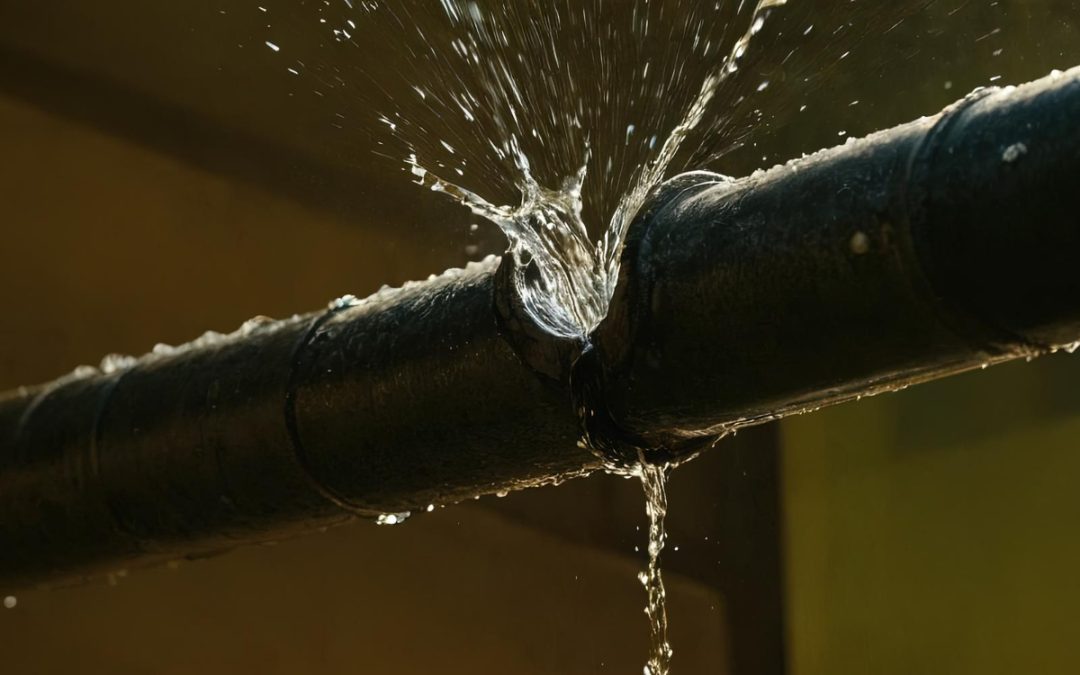
Winter can be a challenging season for homeowners, especially when it comes to plumbing. As temperatures drop, the risk of your pipes freezing and bursting increases. A burst pipe can lead to severe water damage, costly repairs, and significant inconvenience. Knowing the immediate steps to take when your pipes burst can prevent further damage and help you manage the situation effectively.
Taking swift action is crucial when you discover a burst pipe. By shutting off the water supply and draining the system, you can minimize the amount of water that escapes and causes damage. Assessing the extent of the water damage and taking measures to mitigate it are equally important to preserve your home. Finally, knowing when and how to hire a professional for repairs ensures that your plumbing system is restored correctly and safely.
In this article, we will guide you through the essential steps to take when your pipes burst in winter. Understanding these steps will help you act quickly and efficiently, protecting your home from further harm and ensuring a smooth recovery process.
Shutting Off the Water Supply
The first and most critical step when you discover a burst pipe is to immediately shut off the water supply. Acting quickly can prevent gallons of water from pouring into your home, reducing potential damage. Locate the main water shut-off valve, which is often found in basements, crawl spaces, or near your water meter. Once you find the valve, turn it clockwise to stop the flow of water.
If you’re unsure where the shut-off valve is located, familiarize yourself with its position before an emergency occurs. Everyone in your household should know where it is and how to operate it. Shutting off the water supply quickly can make a significant difference in the amount of water damage your home sustains.
Draining the System: Step-by-Step Guide
After you’ve shut off the water supply, the next step is to drain the remaining water from your pipes to prevent further leakage. Follow these steps to effectively drain your plumbing system:
1. Open All Faucets: Start by opening all the faucets in your home, both hot and cold. This helps to relieve pressure and allows the water to drain out.
2. Flush Toilets: Flush all your toilets to empty the water from the tanks and bowls. This helps to ensure that residual water is removed from the system.
3. Drain Water Heaters: If you have a water heater, turn off its power supply and open the drain valve at the bottom to release water from the tank. Be careful, as the water may be hot.
4. Run Outdoor Spigots: Don’t forget about outdoor faucets and garden hoses. Open these as well to ensure all water is expelled from the lines.
Draining your system not only prevents additional flooding but also prepares your pipes for repair. By following these steps, you can mitigate the immediate impact of a burst pipe and set the stage for further damage control and repairs.
Assessing and Minimizing Water Damage
Once the immediate crisis is under control with the water shut off and the system drained, the next critical step is assessing and minimizing water damage. Start by inspecting the affected areas to determine the extent of the water damage. Look for signs such as soaked carpets, wet walls, and water pooling in various parts of your home.
To minimize the damage, begin by removing any items that have been soaked or are at risk of water exposure. This may include furniture, electronics, rugs, and personal belongings. Use towels, mops, and wet-dry vacuums to remove standing water. Utilize fans and dehumidifiers to dry out the area as quickly as possible to prevent mold growth.
Check the walls and floors for structural damage. If the water has seeped into the drywall or subflooring, it may require professional intervention to address the full extent of the damage. Keep an eye out for signs of mold, as mold can start to grow within 24-48 hours in damp conditions.
Hiring a Professional for Repairs and Restoration
After you have taken initial steps to control the damage, it is essential to involve professionals for the repairs and restoration process. Burst pipes can require extensive plumbing repairs, and addressing water damage often needs the expertise of experienced contractors.
When hiring a professional, look for a licensed plumber who can accurately assess the damage to your pipes and make necessary repairs. Ensure the plumber checks for any hidden issues that could lead to future problems.
For water damage restoration, contact a reputable company that specializes in flood cleanup and mold remediation. These experts have the tools and knowledge to effectively dry out and sanitize affected areas. They can also help you with the documentation needed for insurance claims.
Preventing future incidents should also be part of your discussion with the experts. They can recommend measures such as better insulation for your pipes, installing water leak detectors, and upgrading your plumbing system to prevent future bursts.
Conclusion
Dealing with a burst pipe in winter can be a stressful and challenging experience. By promptly shutting off the water supply, draining the system, assessing and minimizing water damage, and involving professional help, you can effectively manage the situation and protect your home from further damage.
Taking these steps not only addresses the immediate crisis but also sets the stage for a successful recovery and future prevention. Effective action can make a significant difference in the outcome, minimizing both frustration and repair costs.
For expert repairs and restoration services, contact Remodel Professionals of Idaho, a trusted remodeling contractor. Our team specializes in handling water damage and restoring your home to its best condition. Reach out to Remodel Professionals of Idaho today to ensure your home is safe and protected this winter.