
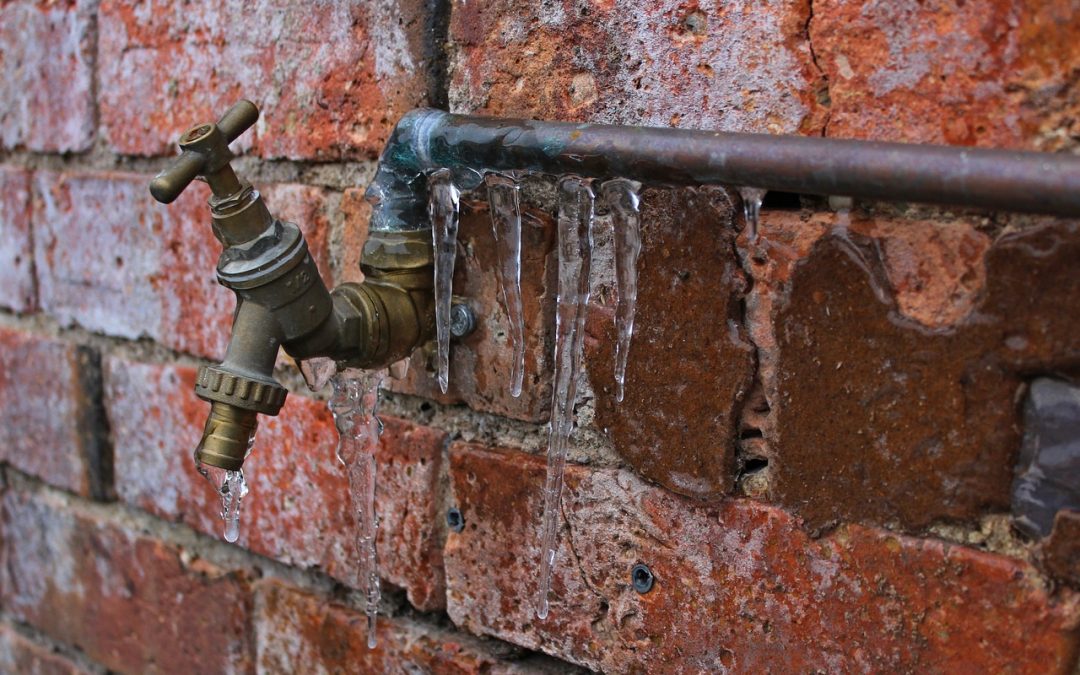
The harsh winter season in Idaho brings countless challenges for homeowners, one of the most pressing being the phenomenon of frozen pipes. As temperatures drop and ice forms, the water inside pipes can freeze, leading to a buildup of pressure and eventually causing the pipes to burst. Not only can a burst pipe be a tremendous headache for any homeowner, but it can also lead to extensive water damage, costly repairs, and potential mold growth in your home. That’s why taking preemptive action to prevent frozen pipes and understanding how to minimize damage when a pipe does burst is of paramount importance during the colder months.
By staying informed, taking proactive measures, and acting quickly in the event that an issue arises, you can protect your home, minimize costly repairs, and maintain a comfortable, safe environment during the winter season.
Essential Strategies for Preventing Frozen Pipes
To avoid the hassle and expense of dealing with frozen pipes, take these precautionary steps to protect your home’s plumbing during the winter months:
- Insulate your pipes: Adding insulation to your pipes, especially those located in unheated areas such as crawlspaces, attics, and garages, can help keep the water flowing and prevent freezing. Consider using foam pipe insulation or pipe insulation wrap to safeguard your plumbing system.
- Keep indoor temperatures consistent: Ensure that your home maintains a consistent temperature both during the day and at night to help prevent freezing. Open the doors to unheated rooms, closets, or cabinets where vulnerable pipes may be located in order to circulate warm air.
- Let faucets drip: If you know a pipe is at risk of freezing, allowing your faucet to drip at a slow and steady rate can help relieve pressure and prevent the pipe from bursting.
- Seal drafts: Check your home for any drafts and seal them with weatherstripping or caulking to prevent cold air from entering and affecting your plumbing system.
Identifying and Addressing Susceptible Pipes
Understanding which pipes in your home are most likely to freeze and how to address any issues that may arise is crucial for proactive winter pipe care. Keep these pointers in mind:
- Identify high-risk pipes: Exposed exterior pipes and those located in unheated or poorly insulated spaces are more susceptible to freezing. Make a note of these high-risk pipes in your home to pay close attention to them during cold snaps.
- Check for early signs: Routinely inspect your high-risk pipes for early signs of freezing, such as frost or ice buildup on the exterior. Listen for unusual noises when turning on faucets, as this may indicate that the pipe is partially frozen.
- Thawing frozen pipes: If you discover a frozen pipe, turn off the main water supply to your home and then use a hair dryer, heat lamp, or a heating pad to gently warm the affected area. Never use an open flame, as this can be dangerous and cause further damage.
Minimizing Damage if a Pipe Bursts
If you find yourself dealing with a burst pipe, take swift action to minimize water damage and facilitate a speedy recovery:
- Shut off the water supply: Locate and shut off your home’s main water supply to prevent further damage. Then, turn on all of your faucets to help drain any remaining water from your plumbing system.
- Evacuate the affected area: Make sure everyone, including pets, leaves the affected area to prevent any potential injuries or health issues related to water damage or mold growth.
- Remove valuable items: If it is safe to do so, remove any valuable items from the affected area to prevent damage or loss.
- Contact a professional plumber: After you’ve taken these initial steps, contact a professional plumber to assess the situation, make necessary repairs, and ensure your home’s plumbing system is operating properly.
The Importance of Proper Cleanup and Damage Repair
Following a burst pipe incident, it’s crucial to prioritize the cleanup process and address any water damage in order to maintain a safe and healthy living environment:
- Remove standing water: Use wet vacuums or mops to remove any standing water from the affected area, as this can help prevent further damage and discourage mold growth.
- Dry out the space: Utilize fans, dehumidifiers, and increased ventilation to dry out the affected area as quickly as possible. The faster your home dries out, the less likely you’ll experience ongoing problems related to water damage or mold.
- Check for mold growth: Inspect the area for signs of mold and mildew, especially in hidden spaces like behind walls or under flooring. If you discover mold, consider hiring a professional mold remediation service to address the issue properly.
- Repair water-damaged materials: Replace any severely damaged materials, such as drywall, carpeting, or insulation, to restore the affected area to its pre-damage condition.
Stay Prepared and Vigilant to Keep Your Home Safe During Winter Months
The risks associated with frozen pipes and burst pipe damage are serious concerns for Idaho homeowners during the winter season. By understanding how to prevent frozen pipes, identifying at-risk plumbing, and knowing how to act swiftly in the event of a burst pipe, you can protect your home, minimize costly repairs, and maintain a comfortable living environment even in the face of harsh winter temperatures.
Contact Remodel Professionals of Idaho today to discuss your next home remodeling and commercial construction project. Our remodeling company is committed to providing tailored solutions that meet your specific needs, with an emphasis on exceptional quality and customer satisfaction. Trust us for all your remodeling needs!