
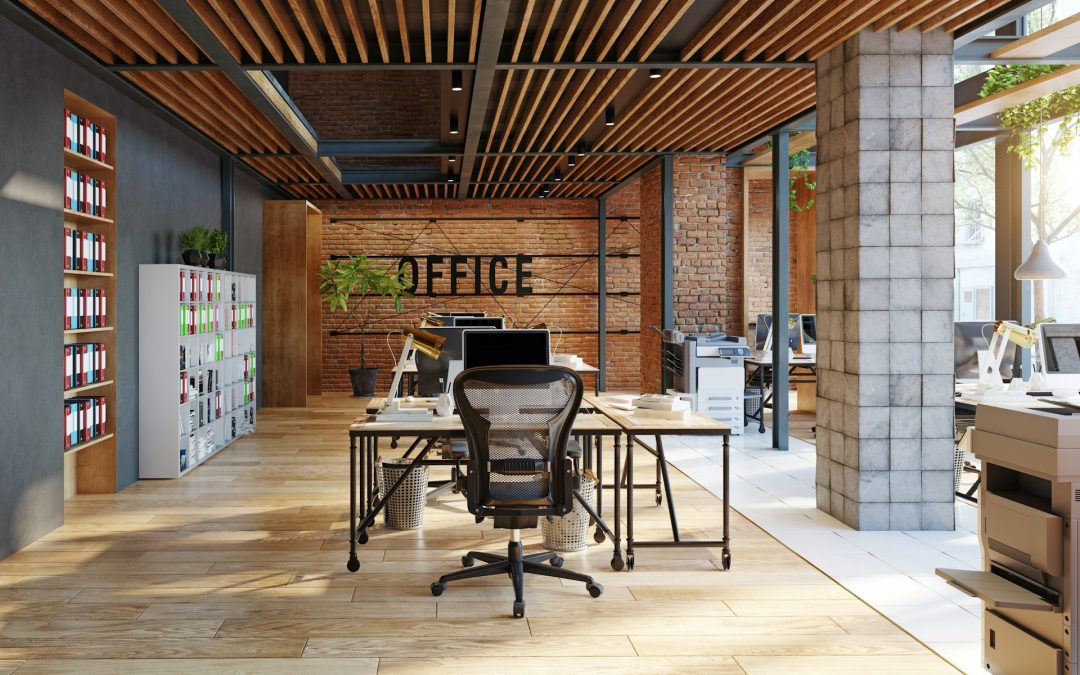
Planning an office renovation can seem overwhelming, but with the right approach, it can transform your workspace into a more efficient and inspiring environment. A well-executed office renovation can boost employee productivity, improve client impressions, and create a more organized and aesthetically pleasing workspace. If you are in Idaho Falls, there are specific steps you need to take to ensure your renovation goes smoothly.
An essential first step is to clearly define your office needs and goals. Whether it’s accommodating more employees, upgrading outdated facilities, or creating a more collaborative workspace, understanding what you want to achieve will guide the entire process. This involves assessing the current layout, identifying areas for improvement, and setting concrete objectives for the renovation.
Once your needs and goals are clear, you can move on to budgeting and timeline considerations. Having a realistic budget and timeline will help you manage expenses and keep the project on track. It’s important to account for potential unexpected costs and avoid disruptions to your business operations. With careful planning, you can ensure that the renovation enhances your workspace without causing major interruptions.
Assessing Your Office Needs and Goals
Before you start any renovation, it’s crucial to assess your office needs and set clear goals. Understanding why you’re renovating helps guide decisions throughout the project. Start by evaluating your current space. Look at what’s working and what isn’t. Consider aspects like space utilization, workflow, and overall comfort. Conduct surveys or meetings with staff to gather their input on needed improvements.
Identify specific goals for your renovation. Are you aiming to create more collaborative spaces? Do you need additional meeting rooms or private offices? Are you looking to update outdated facilities or improve accessibility? Setting clear objectives helps focus your efforts and ensures all stakeholders are aligned.
Once you have a clear picture of your needs and goals, prioritize them. Some improvements may be essential, while others are merely desirable. By ranking your goals, you can make more strategic decisions if budget constraints arise. This assessment phase sets the foundation for a successful renovation by ensuring that all subsequent steps align with your overall vision.
Budgeting and Timeline Considerations
Creating a realistic budget and timeline is essential for any successful office renovation. Begin by outlining the total budget available for the project. Include costs for materials, labor, permits, and any additional expenses that might arise. It’s wise to add a contingency fund to cover unexpected costs. This can help prevent financial strain should any unplanned expenses occur during the renovation.
Next, develop a timeline for the project. Break the renovation into phases and assign a timeframe to each. For instance, demolition might take one week, while installing new flooring could take two. Be sure to account for possible delays, such as delivery times for materials or unanticipated construction issues. Scheduling regular progress check-ins helps keep the project on track and allows for adjustments if needed.
Balancing your budget and timeline with your renovation goals is crucial. For example, if a high-end material exceeds your budget, look for cost-effective alternatives that still meet your needs. While it’s tempting to expedite the renovation, rushing can lead to mistakes and higher costs in the long run. By carefully planning your budget and timeline, you can minimize disruptions to your business and ensure a smooth renovation process.
Selecting Materials and Design Elements
Choosing the right materials and design elements is essential for creating a functional and pleasing office space. Start with the basics, like flooring and wall finishes. Consider durability, maintenance, and aesthetics when selecting these materials. For example, high-traffic areas might benefit from durable materials like ceramic tiles or commercial-grade carpets. These choices can withstand wear and tear while still looking great.
Key Design Elements to Consider:
1. Color Scheme: Colors can influence mood and productivity. Cooler tones can create a calm environment, while warmer tones can bring energy to the space. Choose a palette that reflects your brand and enhances the work atmosphere.
2. Furniture: Ergonomic furniture improves comfort and productivity. Invest in adjustable chairs, desks, and workstations that can accommodate different needs. Sleek, modern designs can also give your office a professional look.
3. Lighting: Proper lighting is crucial. Combine natural light with energy-efficient LED fixtures to create a bright workspace. Task lighting can also help reduce eye strain and improve focus in specific areas.
Think about the future as well. Sustainable materials are not only eco-friendly but can also reduce long-term costs. Options like bamboo flooring, recycled materials, and energy-saving appliances are both stylish and responsible choices.
Managing the Renovation Process
Effectively managing the renovation process is vital to ensure everything runs smoothly. Start by assembling a skilled team of professionals. This includes architects, designers, contractors, and any other specialists you might need. Having a reliable team helps streamline communication and ensures everyone is on the same page.
Steps to Manage the Process:
1. Create a Detailed Plan: Your plan should outline each phase of the renovation, including tasks, timelines, and responsible parties. This keeps the project organized and helps track progress.
2. Communicate Regularly: Hold regular meetings with your renovation team to discuss progress, address concerns, and make necessary adjustments. Clear communication helps avoid misunderstandings and keeps everyone informed.
3. Monitor the Budget and Timeline: Keep an eye on expenses and timelines. Regularly compare actual costs and progress to your initial estimates and make adjustments as needed. This helps prevent budget overruns and delays.
4. Prepare for Disruptions: Plan for potential disturbances to daily operations. This might involve temporary relocations, changes in working hours, or alternative communication strategies for employees.
By staying organized and proactive, you can minimize stress and ensure your renovation is completed on time and within budget.
Conclusion
Planning and executing a successful office renovation in Idaho Falls requires careful thought and precise execution. By assessing your office needs and goals, establishing a practical budget and timeline, selecting high-quality materials and design elements, and effectively managing the renovation process, you can transform your workspace into a more functional and attractive environment.
If you’re ready to take the next step in your office renovation, Remodel Professionals of Idaho is here to help. Our expertise in commercial remodeling and tenant improvements ensures your project will be handled with the utmost care and professionalism. Contact us today to start planning your perfect office space.