
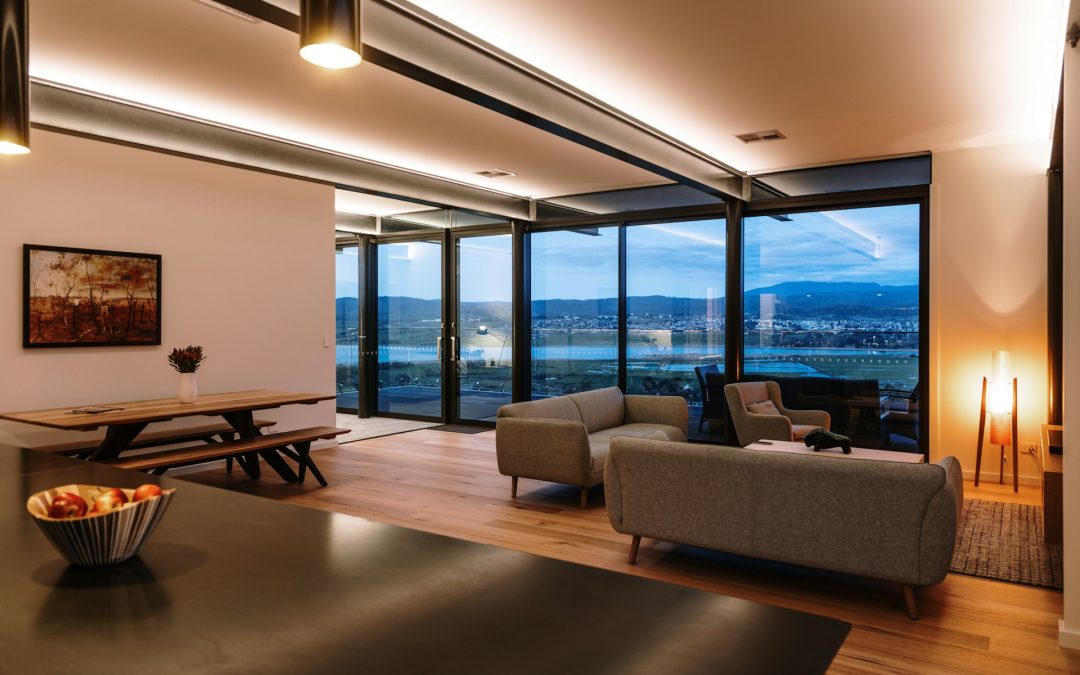
As our population ages and awareness of accessibility needs grows, homeowners in Idaho Falls and Bonneville County are increasingly seeking remodeling solutions that promote independence, comfort, and safety for all occupants. Whether accommodating elderly family members, addressing mobility challenges, or planning for future needs, accessible home remodeling can improve your living space’s functionality while enhancing its value and appeal.
In this article, we will share essential tips and strategies for creating an accessible home through thoughtful design and smart remodeling, focusing on key areas such as entrances, bathrooms, and kitchens.
1. Creating Barrier-Free Entrances and Doorways
One of the primary goals of accessible remodeling is to eliminate physical barriers that hinder movement and access. Here are some key considerations for entrances and doorways:
– Wider doorways: Expand doorways to at least 32 inches wide, allowing easy passage for wheelchairs and other mobility aids.
– Level thresholds: Remove or lower thresholds to enhance accessibility, reducing tripping hazards for those with limited mobility.
– Accessible entrances: Install ramps or platform lifts at main entry points to accommodate wheelchairs, walkers, or scooters.
By addressing these factors, you can create a more welcoming, inclusive environment for everyone entering your home.
2. Designing an Accessible Bathroom
Bathrooms often present accessibility challenges due to their confined spaces and slippery surfaces. Incorporate these remodeling strategies to enhance safety and functionality:
– Curbless showers: Install curbless showers with non-slip flooring to provide easy, barrier-free access for those with mobility impairments.
– Grab bars: Place strategically positioned grab bars near toilets, showers, and bathtubs to offer support and stability.
– Comfort-height toilets: Opt for taller, comfort-height toilets to minimize strain when sitting or standing.
– Accessible sink design: Install wall-mounted, pedestal, or console sinks to leave ample clearance for wheelchair users.
Through these design elements, you can transform your bathroom into a space that prioritizes both safety and comfort.
3. Optimizing Kitchen Accessibility
Kitchens can be adapted to cater to different mobility needs and accessibility requirements. Consider the following remodeling ideas:
– Adjustable countertops: Incorporate adjustable countertop heights, which can be raised or lowered to accommodate standing or seated users.
– Multi-level islands: Create multi-level kitchen islands with varying heights to facilitate food preparation and meal serving for individuals with varying needs.
– Accessible storage: Install pull-down shelves, roll-out trays, and lazy susans to make commonly used items more reachable.
– Appliance placement: Position appliances such as microwaves, ovens, and dishwashers at more accessible heights, minimizing the need for bending or reaching.
By adapting your kitchen layout and features, you can create an inclusive cooking and dining environment for everyone in your household.
4. Enhancing Accessibility with Home Automation Features
Home automation technology can significantly contribute to greater overall accessibility in your home. Some helpful upgrades to consider include:
– Voice-activated controls: Integrate systems that allow for voice-activated control of lights, thermostats, and appliances, minimizing the need for manual operation.
– Automatic door openers: Install automatic door openers for easier, hands-free operation of interior and exterior doors.
– Smart lighting: Incorporate smart lighting systems that can be programmed to adjust automatically based on time of day or user preferences, enhancing safety and comfort.
– Accessible security measures: Ensure that your home security system is accessible to all users, including visual and audible alerts, as well as user-friendly controls.
Incorporating these technology upgrades can create a more accessible and user-friendly environment for all occupants.
Building a More Inclusive Home with Expert Remodeling Solutions
Creating an accessible home requires a thoughtful approach to design and remodeling, prioritizing the unique needs and preferences of all occupants. By focusing on entranceways, bathrooms, kitchens, and home automation features, you can build a welcoming and inclusive space that allows for independence, safety, and comfort.
Our team at Remodel Professionals of Idaho is committed to helping homeowners in Idaho Falls and Bonneville County create accessible and functional living spaces through expert remodeling services. With our experience in commercial remodeling, tenant improvements, and home renovations, you can trust us to deliver exceptional results tailored to your specific needs. Contact us today to discuss your accessible remodeling project and create a home that can be enjoyed by everyone for years to come.