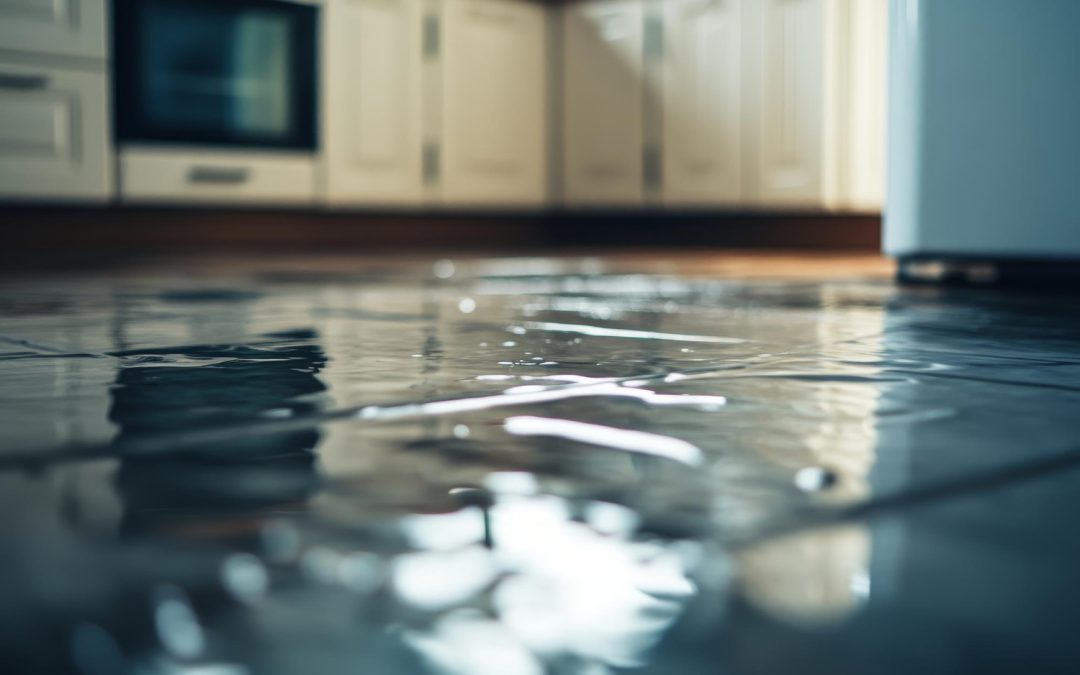
Winter weather in Bonneville County brings majestic snowfalls and crisp air, but it also poses a risk for water damage in homes. When temperatures drop, your home is more vulnerable to issues like frozen pipes and leaks, leading to minor and sometimes major water damage.
Handling these issues promptly is key to avoiding bigger problems. Ignoring water damage can lead to mold growth and structural issues, making it important to act quickly with easy fixes.
This article aims to help you tackle winter water damage with straightforward solutions. From spotting common sources to fixing small damages yourself, understanding these steps can save you time and prevent future headaches. Let’s help you keep your home safe and dry this winter season.
Identifying Common Sources of Winter Water Damage
Winter water damage in Bonneville County often results from a few key sources. Recognizing them helps you take preventive steps and act quickly when problems arise.
Frozen pipes are a major culprit. When water freezes, it expands and can cause pipes to burst. Pay special attention to pipes in unheated areas like basements and attics. Insulating these pipes can prevent freezing.
Roof leaks are another source of water damage. Heavy snow can cause ice dams, which block melting snow from draining properly. This water can back up and leak into your home. Regularly cleaning gutters and ensuring proper roof insulation helps reduce this risk.
Basement flooding is common due to melting snow and groundwater seepage. Check your basement for cracks and seal any that might let water in. A sump pump can be useful for managing excess water.
Lastly, be aware of appliance leaks. Washers, dishwashers, and water heaters might leak or malfunction in cold conditions. Regular maintenance checks reduce the chance of sudden leaks.
Knowing these sources allows you to better protect your home and reduce the chance of winter water damage disrupting your life.
Quick Solutions for Minor Water Damage Issues
Even minor water damage can become a big problem if ignored. Quick actions can help manage these issues effectively.
For small leaks, start by shutting off the water supply to prevent further damage. Use towels or mops to soak up standing water right away. A wet/dry vacuum can also help remove water from carpets or floors.
Dry any wet areas as soon as possible. Open windows and use fans to circulate air. Dehumidifiers are great for removing moisture from the air. Mold develops quickly in damp conditions, so drying the area fast is essential.
For minor ceiling leaks from above, place a bucket under the leak and poke a small hole to let water drain directly into the bucket. This prevents water from spreading across the ceiling and causing more damage.
Check for any soggy spots on walls. If found, remove and replace wet drywall to prevent mold growth.
If the damage involves electronics, ensure they are unplugged and move them away from the wet area. Do not switch them back on until they are entirely dry and inspected.
Acting promptly on minor issues reduces the chance of bigger problems and saves you from extensive repairs later.
Step-by-Step Guide to Repair Frozen Pipe Burst Damage
Dealing with a burst pipe can feel overwhelming, but a step-by-step approach makes it manageable. Start by shutting off the main water supply to prevent more flooding. This valve is typically in basements or near the water heater.
Carefully drain the remaining water in the pipes by turning on cold taps throughout your home. This relieves pressure and reduces further leakage. Next, inspect the pipe to identify the burst section. Look for visible cracks or bulges, and use a towel to feel for wet spots.
Once identified, cut out the damaged section with a pipe cutter. Measure and cut a new piece of pipe to replace the removed part. Use pipe connectors and a wrench to secure the new section, ensuring a tight fit.
Turn the water back on and check for leaks. It’s important to do this slowly to spot any drips before full pressure returns. If leaks occur, tighten the connections or reapply pipe sealant.
Wrap exposed pipes in insulated sleeves to prevent future freezes. Simple steps can help fix issues swiftly, ensuring that your plumbing system is functional again without lasting damage.
Preventative Measures to Avoid Future Winter Water Damage
Taking preventive steps minimizes the chance of winter water damage issues. Start with insulating your pipes, especially those in unheated areas like attics and garages. Pipe insulation is affordable and easy to install, acting as the first line of defense against freezing.
Check seals around windows and doors to block drafts. This keeps your home warmer and protects pipes within wall cavities. Weatherstripping and caulk are effective materials for sealing gaps.
Regularly clean gutters and downspouts to ensure they efficiently direct water away from your home. Clogged gutters can cause water to back up and seep into the roof or foundation.
Consider investing in a smart thermostat. These devices help maintain even temperatures, preventing spikes that can lead to pipe stress. During extreme cold, maintain a consistent heat level even if you’re away.
Also, locate your home’s main water valve and learn how to shut it off quickly. Quick access during an emergency can prevent excessive damage.
Having an emergency kit with basic plumbing tools and supplies prepares you for unexpected situations. Keeping these preventative measures in mind helps protect your home from winter water woes.
Conclusion:
Living in Bonneville County during winter requires vigilance to keep your home safe from water damage. Implementing these simple precautionary and repair strategies allows you to enjoy the season without the worry of unexpected flooding or frozen pipes. Actively maintaining your home’s plumbing and structure keeps you ready for whatever winter weather brings.
Water damage doesn’t have to be a persistent problem. With a bit of planning and regular checks, you can prevent costly repairs in the future. By preparing early, you’re ensuring that your home remains warm, safe, and dry throughout the cold months ahead.
If you’re facing water damage or need assistance with repairs and remodels, turn to Remodel Professionals of Idaho. Our expert remodeling professionals are ready to help you tackle winter challenges, ensuring your space stays comfortable and functional. Contact us to learn how we can assist with your remodeling needs, tailored to keep your home protected no matter the weather.