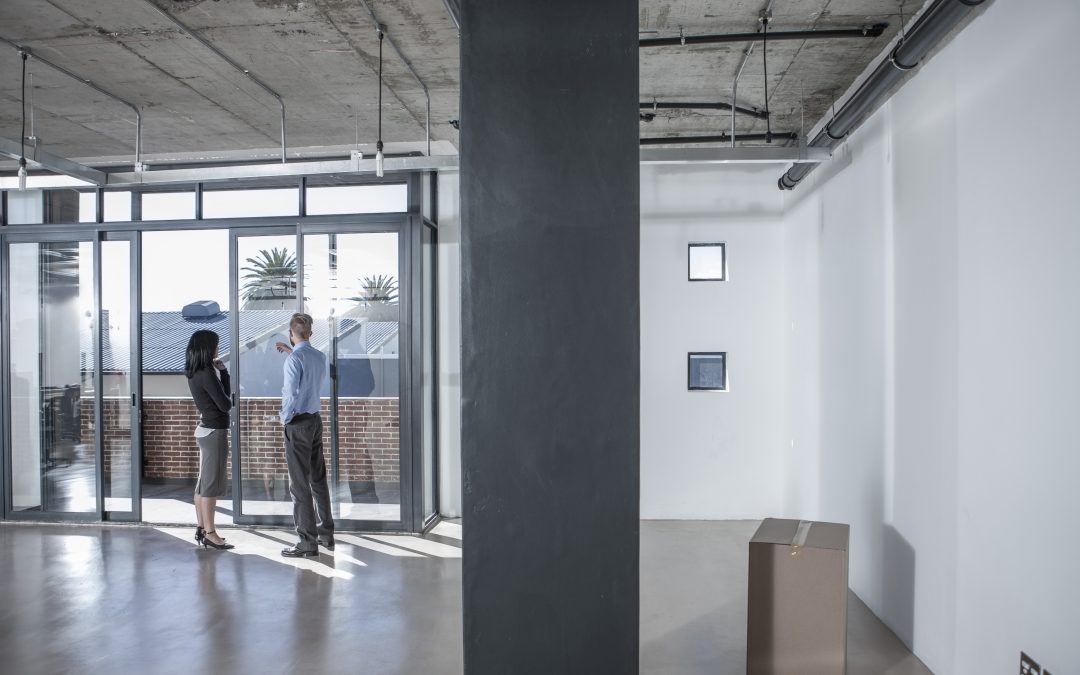
Commercial space remodeling is a crucial aspect of property management that aims to optimize tenant satisfaction, boost property value, and ensure long-term durability. As a landlord or property owner, it is essential to consider various factors when undertaking tenant improvements, from understanding your tenants’ unique requirements and meeting regulatory guidelines to prioritizing energy efficiency and sustainability.
This comprehensive guide to commercial space remodeling will provide valuable insights into these key considerations, equipping you with the knowledge needed for a successful and impactful project.
Upgrading Mechanical, Electrical, and Plumbing (MEP) Systems
Modernizing your property’s MEP systems is vital for improving efficiency, reducing the risks of costly damage, and ensuring a comfortable environment for your tenants. Consider these guidelines when upgrading your MEP systems during a commercial space remodel:
- Evaluating Existing Systems: Assess the current state of your MEP systems to determine the need for upgrades, repairs, or replacements. Consider factors like energy consumption, aging components, and outdated designs.
- Energy-Efficient Solutions: Opt for energy-efficient equipment, such as LED lighting, energy recovery ventilation (ERV) systems, and high-efficiency heating, ventilation, and air conditioning (HVAC) units, to reduce energy consumption and lower operating costs.
- Scalable Systems: Design your MEP systems to be scalable and adaptable, allowing for easy expansion or modifications as tenant needs change over time.
- Working with Professionals: Collaborate with qualified MEP engineers and contractors to ensure proper design, installation, and maintenance of your revamped systems.
Creating Flexible and Scalable Spaces
Designing flexible spaces that can be easily configured to suit a variety of tenant needs is essential for ensuring the long-term attractiveness and functionality of your commercial property. Implement these strategies to create adaptable and scalable spaces:
- Open Floor Plans: Embrace an open floor plan design, which allows for easy reconfiguration and enables tenants to adjust the space according to their changing requirements.
- Movable Partitions: Incorporate movable partitions or modular walls, giving tenants the flexibility to reconfigure the layout as needed.
- Multi-Function Spaces: Design spaces that serve multiple purposes, such as conference areas that can double as break rooms, to maximize the utility of your property and appeal to a wide range of tenants.
- Future-Proofing: Keep future technology advancements, and potential tenant needs in mind when designing your commercial space, including provisions for upgraded IT infrastructure or specialized equipment.
Prioritizing Sustainability and Energy Efficiency
Ensuring the sustainability and energy efficiency of your commercial space is not only beneficial for the environment but can also lead to savings on utility bills and enhance the property’s overall appeal to prospective tenants. Implement these sustainable practices in your commercial space remodel:
- Energy-Efficient Lighting: Select LED lighting solutions that offer extended lifespans, lower energy consumption, and reduced maintenance requirements compared to traditional lighting systems.
- High-Efficiency HVAC Systems: Upgrade to high-efficiency HVAC systems to minimize energy waste and maintain a comfortable indoor environment.
- Insulation and Airtightness: Improve the insulation and airtightness of your property to reduce heat loss and maintain consistent indoor temperatures.
- Sustainable Materials: Opt for eco-friendly and sustainable materials, such as reclaimed wood, recycled metals, or low-VOC paints, to minimize the environmental impact of your remodeling project.
Improving Accessibility and ADA Compliance
Ensuring your commercial space is accessible to individuals with disabilities is not only a legal requirement under the Americans with Disabilities Act (ADA) but also an essential aspect of creating an inclusive and welcoming environment. Take the following steps to improve accessibility and ADA compliance:
- Entrances and Exits: Ensure that entrances and exits are accessible to individuals with mobility impairments by installing ramps, automatic doors, and adequate clearances.
- Accessible Restrooms: Provide ADA-compliant restrooms with appropriate fixtures and features, such as grab bars, accessible sinks, and door widths that accommodate wheelchair users.
- Elevators and Lifts: Install elevators or lifts that meet accessibility standards to provide easy access between floors for individuals with disabilities.
- Signage and Wayfinding: Incorporate clear, accessible signage and wayfinding solutions throughout your property to assist individuals with visual or cognitive impairments.
Collaborating with Us for Your Commercial Space Remodel
Having a knowledgeable and experienced remodeling team on your side is crucial for ensuring a successful commercial space remodel that caters to tenant needs and adheres to regulatory requirements. Remodel Professionals of Idaho, a renowned expert in commercial remodeling and tenant improvements, offers the guidance, experience, and craftsmanship necessary to bring your vision to life. By partnering with their skilled team, you can secure a seamless remodeling process, and exceptional results tailored to your unique property and tenant needs.
Conclusion
A well-executed commercial remodeling project can significantly enhance the value and appeal of your property while catering to the specific needs of your tenants. By focusing on the key elements of upgrading MEP systems, creating flexible and scalable spaces, prioritizing sustainability and energy efficiency, and improving accessibility and ADA compliance, you can achieve a successful tenant improvement project. Partnering with Remodel Professionals of Idaho ensures expert support and a commitment to quality that ultimately guarantees a satisfying commercial space remodel tailored to your property and tenant requirements.