
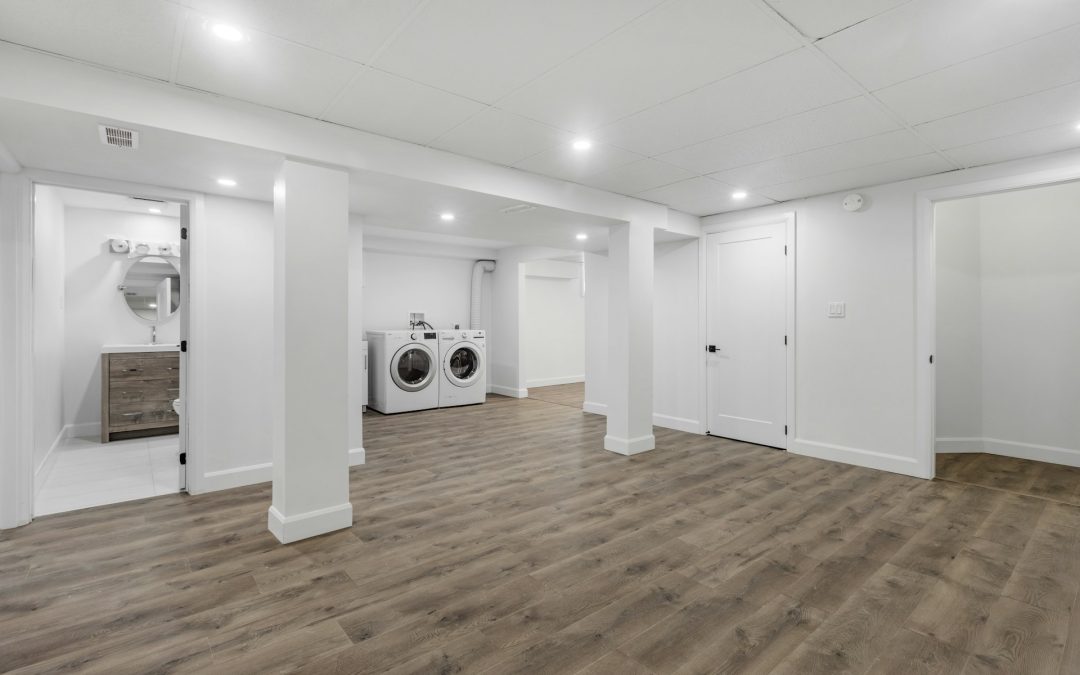
Addressing moisture issues is a crucial part of basement remodeling. A basement can be a wonderful space to transform into an extra room, be it for storage, entertainment, or a cozy hideaway. However, without proper moisture management, all that hard work can quickly go downhill, leading to persistent problems that threaten the aesthetics and structural integrity of the whole space.
Picture Idaho Falls in spring; it’s the perfect time to vent out the dampness accumulated over winter. Those long, cold months often result in moisture issues in basements, especially when the snow begins to melt. Common trouble signs include damp walls, musty odors, and even peeling paint. Recognizing these problems early can save you heaps of trouble and transform a wet basement into a usable area.
Identifying Moisture Problems
So, what exactly should you be on the lookout for when identifying moisture issues in your basement? It’s more straightforward than you might think. Here are some common indicators that you might have a moisture problem:
– Damp spots appearing on walls or floors
– A persistent musty odor that just doesn’t go away
– Peeling paint or wallpaper, giving your basement an old and neglected look
– Visible signs of mold or mildew
These signs are your basement’s way of calling out for help, alerting you to pay attention before things get worse. A friend of mine once discovered his basement floor feeling strangely wet. Before he knew it, the walls began to show spots of mold, and the smell became quite unpleasant. It turns out he had a drainage issue that allowed water to seep closer to his home’s foundation. Catching it early with a routine check could have saved him a lot of hassle.
Causes of Moisture Problems
Understanding what causes these moisture problems is essential in crafting an effective solution. Here are some typical culprits:
- Poor drainage outside your home can lead to water pooling around your foundation, slowly finding its way inside.
- Foundation cracks are like open doors for water, especially if your home is older and settling unevenly.
- High humidity levels in the basement can occur naturally due to lack of ventilation or weather conditions specific to Idaho Falls.
- Plumbing leaks or condensation are often overlooked but create a significant source of moisture, leading to potential outbreaks of mold and mildew.
By recognizing these causes, you can take the necessary steps to mitigate them before starting on your remodeling project. It’s better to tackle these issues early rather than letting them fester, resulting in bigger problems down the line.
Solutions for Moisture Problems
Tackling moisture problems in your basement doesn’t have to be overwhelming. There are a variety of effective solutions available to ensure your basement remains dry and functional. Let’s explore some practical approaches you can take to combat moisture issues.
Start by focusing on improving the drainage around your home. Maintaining gutters and downspouts is key. Make sure they are clear of debris, directing rainwater well away from your foundation. You might also consider grading the landscape, which ensures that water flows away from your house rather than pooling around the foundation.
Next, you should seal any foundation cracks. There are several types of sealants available, and selecting the right one can make a big difference. Sometimes, consulting with a professional to ensure the job is done properly is the best approach, especially if the cracks are significant or persist after fixing.
Controlling basement humidity is another pivotal step. Consider using dehumidifiers to maintain optimal humidity levels. Proper ventilation can also help keep the air flowing and reduce moisture accumulation. It’s a simple step, but it can be very effective in preventing mold growth and other moisture-related issues.
Remember to address plumbing issues as well. Regular maintenance checks can help catch leaks early, saving you from bigger headaches later. Insulating pipes is a smart move as it reduces condensation that might otherwise lead to extra moisture in your basement.
Preventative Measures
Once you’ve addressed the existing moisture problems, implementing preventative measures will help keep your basement dry in the future. Waterproofing the basement is a great starting point. Applying waterproof paints and coatings adds a layer of protection against future moisture penetration.
Installing a sump pump can be another safeguard, especially in areas prone to heavy rains or high water tables. A sump pump will actively remove water from your basement before it has a chance to saturate the area.
Regular inspection and maintenance ensure things stay in tip-top shape. Keep an eye out for early signs of moisture so you can act promptly. Schedule routine checks of both drainage systems and plumbing to catch any developing issues before they become problems.
Finishing Your Basement Remodeling Project
As you wrap up your basement remodeling project, it’s worth reviewing the steps you’ve taken in addressing moisture problems. You’ve identified common signs of moisture, understood the reasons behind them, and taken solid measures to combat and prevent these issues.
Securing a dry and comfortable basement can seem like a big task, but by prioritizing moisture control, you’re setting yourself up for a successful remodel. Whether you’re turning your basement into a family room, a workshop, or a simple storage area, ensuring it’s free from moisture will make it a functional space for years to come. These thoughtful precautions pave the way for a worry-free and enjoyable basement transformation.
Are you ready to enjoy a dry and comfortable basement? Count on Remodel Professionals of Idaho to guide you through every step of your basement remodeling journey. Explore how our expertise in basement remodeling can help you achieve a moisture-free space that’s perfect for any activity you have in mind. Let’s make your basement a welcoming and worry-free part of your home.