
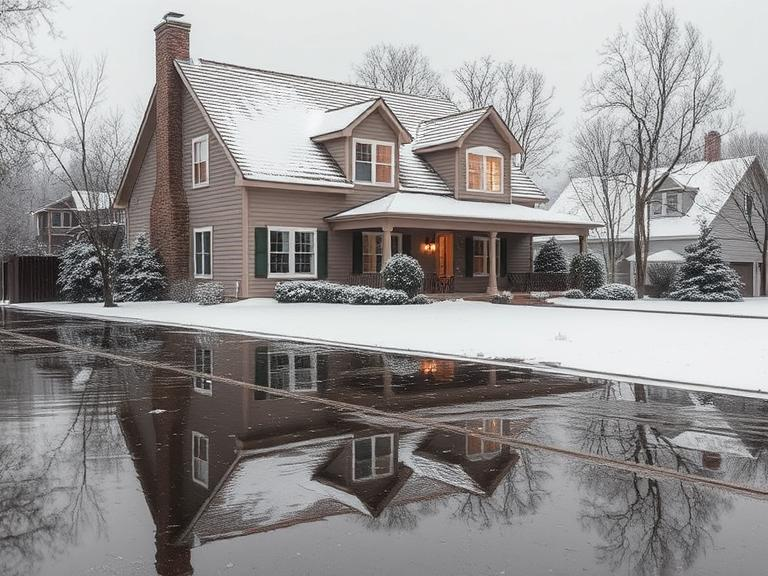
Winter flooding in Idaho Falls can cause significant upheaval, leaving homeowners stressed and unsure of what to do next. When snow and ice begin to melt, and heavy rains occur, the risk of flooding increases. This weather can lead to water damage that affects the safety and structure of your home.
Taking immediate and effective action after flooding is crucial in minimizing damage. Understanding the right steps can save you time, money, and further frustration. From inspecting your property to removing the water, knowing what actions to take makes all the difference.
This article provides guidance on tackling flood issues efficiently. With the right approach, you can protect and even improve your home while ensuring safety. Let’s dive into the best practices for handling winter flooding in Idaho Falls, so you feel prepared and resilient no matter what winter throws your way.
Assessing the Damage: What to Look for After a Winter Flood
After a winter flood in Idaho Falls, the first important step is assessing the damage. A careful inspection helps you understand the extent of the problem and decide your next steps.
Start by checking your home’s foundation. Look for cracks or shifts, which might indicate structural damage. Examine walls and ceilings for water stains, peeling paint, or warped surfaces. These signs show where water may have intruded.
Next, focus on the basement if you have one. Basements are prone to flooding, so check for pooling water or damp walls. Mold can develop quickly in these conditions, so watch for any musty odors or visible growth.
Inspect flooring for damage. Warped wooden floors, soaked carpets, or discolored tiles need immediate attention. Assess any electrical systems affected by water. If water has reached electrical outlets, it’s crucial to turn off the power and seek professional help.
Finally, check your furniture and personal belongings. Water can damage these items beyond repair, so remove anything affected as soon as possible. Document all damage with photos for insurance purposes. Accurate assessment is key to planning effective repairs and restoration.
Immediate Actions to Minimize Water Damage
Taking immediate actions after you discover floodwater can greatly reduce further damage to your home. Quick responses are essential in preserving both your property and belongings.
First, ensure your safety. If there’s significant flooding, turn off the electricity and gas to avoid shocks or leaks. Always wear waterproof boots and gloves when entering flooded areas.
Next, stop the water at its source if possible. For example, if a frozen pipe burst, shut off the main water valve to prevent more water from flowing into the house.
Once it’s safe, begin removing standing water. Use buckets, towels, or a wet-dry vacuum to clear as much water as possible. This prevents long-term soaking, which leads to mold and structural damage.
Move dry, undamaged items to higher ground to keep them safe. This includes furniture, electronics, and important documents. If necessary, elevate furniture on blocks to prevent contact with water.
If water is still seeping in, create barriers with sandbags or waterproof tarps to direct it away from vulnerable areas. Acting swiftly minimizes lasting damage, helping you focus more effectively on comprehensive cleanup and repairs later.
Effective Water Removal and Drying Techniques
Once the immediate threat of standing water is controlled, focus shifts to thorough water removal and drying. This step is crucial to prevent mold growth and further damage to your home.
Begin by increasing ventilation in affected areas. Open windows and doors to let fresh air circulate. If it’s safe, set up fans to speed up the drying process. Position them to channel moisture-laden air out of the house.
For more severe cases, consider using dehumidifiers. These machines effectively reduce moisture levels in the air, aiding quicker drying of walls, floors, and furniture. Pay attention to closed spaces, like closets and corners, where dampness can linger.
Remove any soaked carpeting or rugs. These items take longer to dry and can retain moisture, increasing the risk of mold. If salvageable, clean and dry them outdoors.
Move to structural drying for walls and floors. Drywall that has absorbed water may need replacing. If wooden floors appear slightly swollen, drying them immediately helps prevent warping. Remember to inspect behind walls and under floorboards for trapped moisture.
Using these drying methods ensures your home is free from excess moisture, laying the groundwork for successful repairs and restoration.
Long-Term Strategies for Flood Prevention and Home Repair
Preventing future flood damage involves implementing long-term solutions and making necessary repairs. These efforts safeguard your home against the unpredictabilities of Idaho Falls’ winter weather.
Start by improving your home’s drainage system. Ensure gutters and downspouts are clear and direct water away from your foundation. Consider installing a sump pump in the basement to tackle any future flooding events effectively.
If your area is prone to flooding, raising electrical outlets and wiring above typical flood levels can protect them. This minimizes electrical hazards and costly repairs following a flood.
Evaluate your landscape. Ensuring that the land slopes away from your home prevents water from pooling around the foundation. Planting water-absorbing shrubs or using rain barrels can also manage excess runoff.
For long-term structural resilience, replace vulnerable materials with water-resistant ones. Use mold-resistant drywall or waterproof insulation in areas at risk of flooding.
Regularly inspect and maintain these preventive measures to ensure they remain effective. Being proactive preserves your home’s integrity and minimizes future flood risks.
Conclusion
Taking action after a winter flood requires attention and careful planning. By thoroughly assessing damage, acting swiftly to minimize impacts, and implementing effective drying strategies, you can successfully restore your home.
Prevention is equally important. Long-term efforts in enhancing your home’s resilience against water can protect it from future incidents. Whether it’s updating drainage or making smart landscape changes, these strategies save time and stress in the long run.
When you face necessary repairs or want to strengthen your home’s defenses, consider reaching out to Remodel Professionals of Idaho. Our expertise in remodeling can help you create a safer and more resilient space, prepared for whatever Idaho Falls’ weather might bring. Contact our profesional remodeling contractors to explore your options and ensure your home remains a secure haven.