
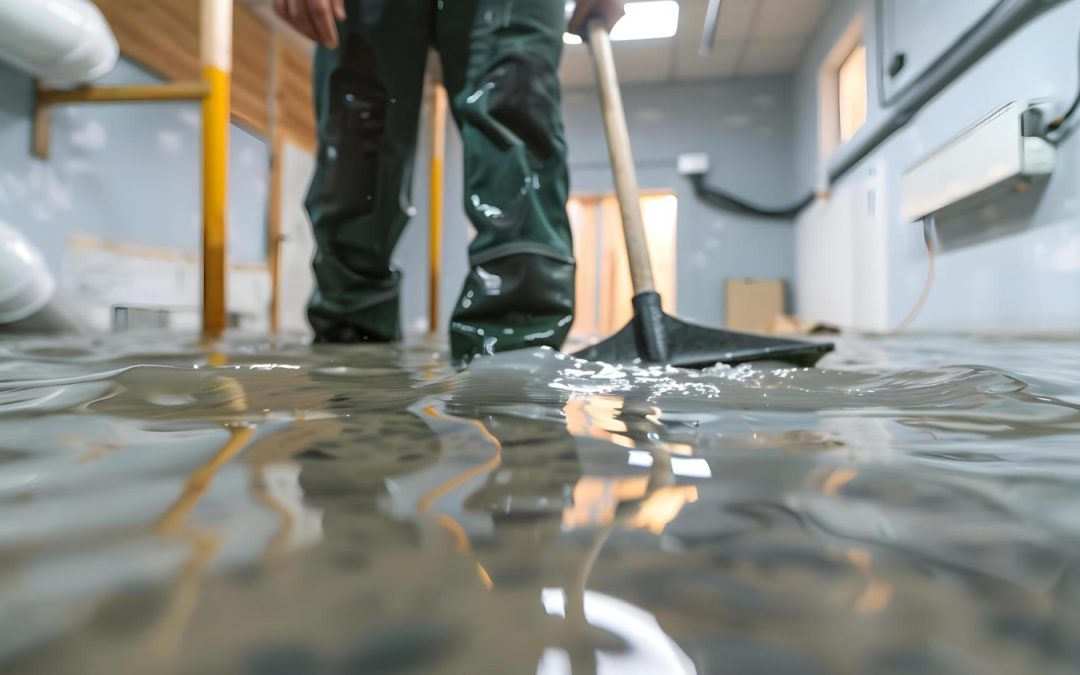
Winter brings picturesque snowfalls and chilly nights, but it also introduces challenges like home flooding. When snow melts or storms hit, homes become vulnerable to water intrusion. This can cause significant damage if not handled properly. Swift action and understanding how to manage such situations can save time, money, and stress.
Flooding during winter isn’t just about water damage. It can ruin carpets, warp floors, and lead to mold growth, posing health risks. Understanding the causes and knowing what to do next can reduce these risks.
This article covers essential information about dealing with winter flooding and keeping your home safe. From pinpointing causes to taking immediate action, these strategies can help you navigate the complexities of winter weather and its impact on your home. Being prepared is key to maintaining a healthy living space throughout the challenging months ahead.
Identifying Causes of Winter Flooding in Homes
Winter flooding can come from several sources, each posing unique challenges. First, let’s talk about snowmelt. As snow accumulates around your home, warmer temperatures or unexpected rain can cause it to melt quickly. Water then flows into basements or lower levels, overwhelming drainage systems.
Blocked gutters also contribute to winter flooding. Leaves and debris accumulate in gutters, preventing them from directing water away from the house. When coupled with melting snow or rain, this can result in water pooling around your home’s foundation.
Frozen pipes are another common issue during winter. When pipes freeze, they can burst, releasing water into unwanted spaces. This sudden influx can flood an area quickly, and without immediate attention, can cause significant damage.
Finally, consider the location of your home. Low-lying areas or homes near rivers and lakes are more prone to flooding. Heavy winter storms can cause these bodies of water to rise and spill into nearby properties.
Immediate Actions to Mitigate Flood Damage
If you experience winter flooding, acting fast can make a big difference. Start by shutting off electricity to the affected areas to avoid electrical hazards. Never step into water until you’re sure the power is off, as water and electricity pose great danger when combined.
Next, try to identify the source of the water. If it’s due to a burst pipe, turn off the main water supply. For blocked gutters or snowmelt, clear any obstructions to help water flow away from your home.
Once you’ve addressed the source, remove standing water as soon as possible. Use mops, buckets, or a wet/dry vacuum to clear the area. Quickly dealing with standing water reduces the risk of mold growth and further damage to floors and walls.
Move soaked items out of the flooded area to a dry space. Items such as furniture, rugs, and personal belongings need to dry off to prevent mold. Place them in a well-ventilated space or use fans to speed up the drying process.
Finally, document the damage. Take pictures and note any items that need repair or replacement. This will aid in any insurance claims and give you a better sense of what repairs are needed. Taking these immediate actions helps in controlling the situation and setting the stage for further steps in recovery.
Effective Cleanup and Restoration Tips
Once you have managed the immediate threats, focus on cleanup and restoration to ensure your home returns to normal. Start by thoroughly drying the affected area. After removing standing water, use fans and dehumidifiers to dry floors and walls. This step is crucial to prevent mold, which can begin to grow within 24 to 48 hours.
Pay special attention to porous materials like drywall and carpeting. If these items were soaked, you might need to replace them because they can harbor mold even after drying. Inspect furniture and upholstery for damage. In some cases, professional cleaning services might be required to restore these items.
Clean and disinfect all surfaces that came into contact with water. Use a solution of bleach and water to ensure bacteria and mildew are removed. Be thorough, especially in hidden areas, like under cabinets or inside wall cavities.
Throughout this process, wear protective gear like gloves and masks to protect yourself from mold and contaminants. Finally, review your documentation of the damage and repairs. This record will be handy for insurance claims and future reference, ensuring you have all details on hand.
Preventative Measures to Avoid Future Flooding
Prevent future winter flooding by taking proactive steps to protect your home. Start by regularly inspecting your gutters and downspouts. Clean them to ensure rain and melting snow drain properly away from your home’s foundation.
Ensure your home’s exterior is waterproof. Check for any cracks in the foundation or gaps near windows and doors. Sealing these areas with caulk or other waterproof materials prevents water from seeping in during heavy snowmelt or rain.
Consider installing a sump pump in your basement. A sump pump helps remove water quickly from your home, reducing the risk of flooding. Additionally, if your home is in a high-risk area, consider setting up flood barriers or sandbagging key areas as a temporary solution during severe weather forecasts.
Keep an eye on weather forecasts and be prepared with supplies like pumps and sandbags. Having a plan in place helps you respond quickly when a flood threat arises. Regular maintenance and preparation ensure you won’t have to deal with winter flooding issues repeatedly.
Conclusion
Winter flooding is a challenging issue for homeowners, but with the right approach, you can reduce risks and manage the aftermath effectively. By recognizing the causes and taking swift actions immediately when flooding occurs, you safeguard your property and peace of mind.
Remember to focus on effective cleanup strategies to prevent long-term damage and health risks associated with mold and bacteria. Equally important are the preventative measures that help you avoid repeating the cycle of damage and repair. Simple steps like maintaining gutters and ensuring waterproofing can make a big difference.
If you find yourself facing water damage from winter flooding, don’t hesitate to reach out to professionals for assistance. Remodel Professionals of Idaho, a remodeling contractor, has the expertise and experience needed to help restore your home and implement proactive measures. Give us a call to ensure your home remains safe, functional, and ready for whatever winter throws your way.