
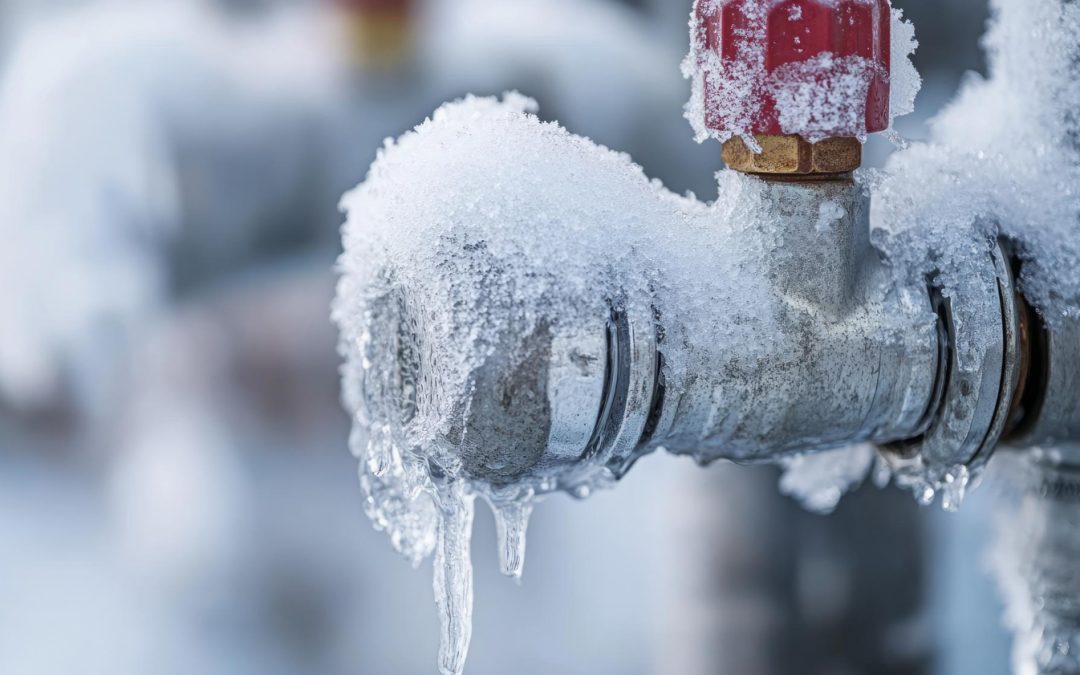
As winter approaches, the chilly temperatures bring about unique challenges, especially for homeowners. One of the most common and potentially damaging winter issues is frozen pipes. When water in the pipes freezes, it expands, causing the pipes to crack or burst. This can lead to significant water damage in your home and costly repairs.
Preventing frozen pipes is crucial for maintaining the safety and integrity of your home’s plumbing system. Simple precautions can save you from the headache and expense of dealing with burst pipes. By understanding the risks and implementing preventive measures, you can ensure that your pipes remain functional throughout the winter.
In the following sections, we will explore the dangers of frozen pipes, discuss effective insulation materials and techniques, and provide tips for keeping your indoor temperature regulated to prevent freezing. Additionally, we will cover immediate steps to take if your pipes start to freeze, helping you respond quickly and effectively to minimize damage.
Understanding the Risks of Frozen Pipes
When the temperature drops, the water in your pipes can freeze, leading to severe problems. Frozen pipes are a significant issue because water expands as it freezes, which can cause the pipes to crack or even burst. This can lead to flooding in your home, resulting in costly repairs and water damage.
Another risk associated with frozen pipes is the interruption of your water supply. If pipes freeze, you might lose access to running water, which can disrupt daily activities like cooking, cleaning, and bathing. Recognizing these risks helps you understand the importance of taking preventative measures to protect your plumbing system during the winter months.
Insulating Your Pipes: Materials and Techniques
Preventing frozen pipes often starts with proper insulation. Insulating your pipes keeps them warmer during cold weather, reducing the risk of freezing. Several materials are adequate for insulating pipes:
- Foam Pipe Insulation: This is a common and inexpensive material. Foam pipe sleeves cover your pipes and provide a layer of insulation that keeps the cold out.
- Heat Tape: This is an electric tape that wraps around the pipes and provides warmth. It’s beneficial for pipes in icy areas or those exposed to outside air.
- Fiberglass Insulation: This material is excellent for insulating pipes in unheated areas like attics or crawl spaces. It’s durable and effective in retaining heat.
To insulate your pipes, first measure the length and diameter of the pipes you need to cover. Cut the insulation material to the proper lengths and wrap it around the pipes. Secure the insulation with tape or zip ties, ensuring that all parts of the pipes are covered. This simple process can significantly reduce the risk of frozen pipes and the damage they can cause.
Tips for Maintaining Indoor Temperatures
Keeping your indoor temperature steady is a crucial part of preventing frozen pipes. Here are some practical tips to maintain a warm environment inside your home:
- Set Your Thermostat to a Consistent Temperature: Keep your thermostat set to the same temperature during the day and night. A consistent temperature helps prevent pipes from freezing, especially in colder areas of your home.
- Open Cabinet Doors: Opening cabinet doors in your kitchen and bathrooms can help warm air circulate the plumbing. This simple step is particularly effective for pipes located along exterior walls.
- Seal Cracks and Gaps: Inspect your home for any cracks or gaps around windows, doors, and walls. Sealing these openings with caulk or weatherstripping prevents cold air from entering and keeps warm air inside.
- Use Space Heaters: In areas that are prone to cold temperatures, such as basements or attics, use space heaters to maintain warmth. Be sure to follow safety guidelines when using these devices.
- Let Faucets Drip: Letting faucets drip slightly can help prevent pipes from freezing. Moving water is less likely to freeze, and this method alleviates pressure that could cause pipes to burst.
What to Do If Your Pipes Start to Freeze
Despite your best efforts, sometimes pipes may begin to freeze. Acting quickly can prevent further damage and ensure your plumbing remains intact. Here are steps to take if you suspect your pipes are freezing:
- Identify the Frozen Pipes: Check for areas of frost on the pipes or an unusual drop in water pressure. Frozen pipes might also feel significantly colder to the touch compared to other pipes in your home.
- Open the Faucet: Turn on the faucet connected to the frozen pipe. Even a tiny trickle of water can help relieve pressure and prevent the pipes from bursting.
- Apply Heat to the Pipe: Use a hairdryer, heating pad, or warm towels to thaw the frozen section of the pipe gently. Start from the faucet and work your way back toward the frozen section to ensure safe and even thawing. Never use open-flame devices like a blowtorch to thaw pipes.
- Call a Professional: If you cannot safely thaw the pipes yourself, or if the pipes have cracked or burst, call a professional plumber immediately. Quick, professional intervention can mitigate damage and restore your plumbing system.
Final Thoughts
Preventing frozen pipes is essential to maintaining a safe and functional home during the winter. By understanding the risks, properly insulating your pipes, keeping indoor temperatures, and knowing what to do if your pipes start to freeze, you can protect your home from potential damage and costly repairs. Taking these proactive steps ensures that your plumbing will withstand the harsh winter months.
For expert advice and assistance with your home remodeling and winterization needs, trust Remodel Professionals of Idaho. Our team of professional remodeling contractors specializes in preparing homes for the winter and addressing any issues that arise. Contact Remodel Professionals of Idaho today to ensure your home stays warm and your pipes stay safe throughout the winter season.