
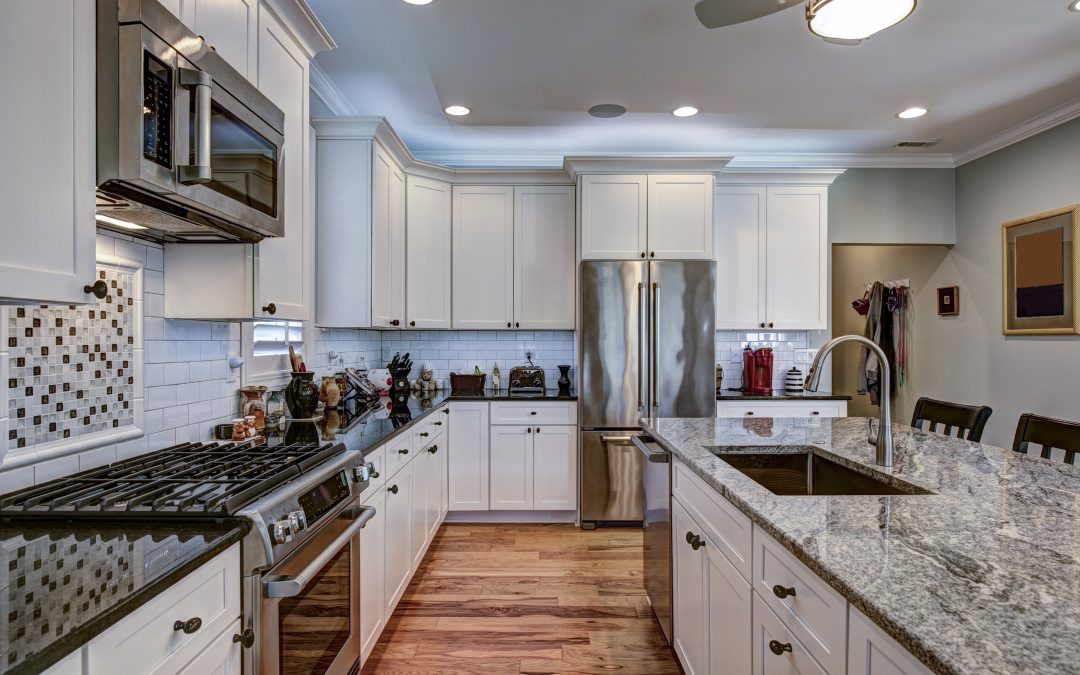
As more individuals and families seek to create inclusive living spaces, accessible kitchen designs have become critical components in meeting the diverse needs of homeowners in Idaho Falls and Bonneville County. An accessible kitchen remodel prioritizes safety, comfort, and ease of use for everyone, regardless of their age, mobility, or ability. By incorporating universal design principles and features, you can create a kitchen that is not only stylish and functional but also welcoming and accommodating to all users.
In this comprehensive guide, we will delve into the key aspects of accessible kitchen design, exploring the essential features and considerations that contribute to a safe and enjoyable space for every individual. From layout planning and appliance selection to cabinetry modifications and flooring choices, we’ll guide you through the process of creating an accessible kitchen that caters to a wide range of needs and preferences.
Whether you have personal accessibility requirements or simply wish to create a future-proof kitchen that can adapt as you or your family members grow older, our expert advice will provide you with the knowledge and inspiration needed to ensure a safe, comfortable, and easily navigable living space. Embrace the principles of accessible design and transform your Idaho Falls or Bonneville County kitchen into a functional and inclusive haven for everyone who calls it home.
1. Thoughtful Layout Planning: Enhancing Mobility and Comfort
A well-planned layout is the foundation of an accessible kitchen, ensuring ease of navigation and ample space for users with various mobility levels. When designing your accessible kitchen layout, aim to create clear pathways, eliminate unnecessary obstacles, and provide adequate room for maneuvering around appliances and workstations.
Consider the following principles for optimal layout planning:
– Work Triangle: The traditional work triangle concept – which connects the sink, refrigerator, and cooktop – ensures an efficient workflow, minimizing the need for excessive reaching, bending, or walking.
– Ample Clearance: Provide at least 42 inches of clearance for walking paths and a minimum of 48 inches of clearance in front of appliances and between workstations to accommodate wheelchair users.
– Generous Turning Space: Ensure turning spaces are large enough for users with wheelchairs to comfortably navigate, typically requiring a minimum of a 60-inch diameter.
2. Accessible Appliances: Fostering Independence and Safety
Selecting appliances with accessibility in mind can significantly enhance the safety and ease of use for all users. Choose models with front panel controls, adjustable heights, and clear labeling to promote independence and overall usability.
Some accessible appliance suggestions include:
– Side-By-Side Refrigerators: These models provide easy access to both the refrigeration and freezer compartments, accommodating users with varying heights and mobility levels.
– Slide-In Ranges: Slide-in ranges with front-mounted controls eliminate the need to reach across hot burners while adjusting the temperature.
– Wall Ovens: Installing a wall oven at a more comfortable height can minimize bending and reaching, enhancing safety and accessibility.
3. Cabinetry and Storage Solutions: Adapting to Diverse Needs
Accessible kitchen design should also prioritize adaptable and functional cabinetry and storage solutions, catering to the unique needs and preferences of all users.
Consider integrating the following features for accessibility:
– Drawer-Style Cabinets: Drawer-style bottom cabinets offer easier access to stored items, eliminating the need to bend or kneel to reach into the back of standard cabinets.
– Adjustable Shelves: Incorporate adjustable shelving in upper cabinets, allowing for customization to accommodate users with varying reach capabilities.
– D-Shape or Loop Handles: Opt for D-shaped or loop handles on cabinetry, as they are easier to grasp and manipulate for users with limited hand dexterity or strength.
4. Flooring and Countertop Choices: Balancing Style and Function
Accessible kitchen remodeling should not compromise on aesthetics – carefully selected flooring and countertops can achieve both beauty and functionality.
– Slip-Resistant Flooring: Choose slip-resistant flooring options, such as textured tile or luxury vinyl, to minimize the risk of falls and injuries.
– Different Countertop Heights: Install countertops at varying heights to accommodate the needs of users who prefer to sit while working or require wheelchair access to the work surface.
– Rounded Countertop Edges: Select countertops with rounded edges to prevent injuries from sharp corners or edges during mobility or use.
Conclusion
Creating an accessible kitchen in your Idaho Falls or Bonneville County home is an investment in the safety, comfort, and independence of all users. By embracing the principles of accessible design, you can cater to the diverse needs of your family members, friends, and guests, ensuring everyone feels welcomed and accommodated in your kitchen space.
Rely on the expertise and professionalism of Remodel Professionals of Idaho to assist you in crafting the perfect accessible kitchen design, balancing functionality, style, and inclusivity. Their commitment to innovative design and exceptional craftsmanship ensures that your remodeled kitchen will meet your unique accessibility requirements without compromising on aesthetic appeal. Contact them today to start planning your accessible kitchen remodel, creating a welcoming and inclusive space for all who enter.